Residential
Merehead, Walkington
2
Residential
Scheme Summary
3 houses + 3 almshouses for over-55s
East Riding of Yorkshire Council
Vision
The Situation
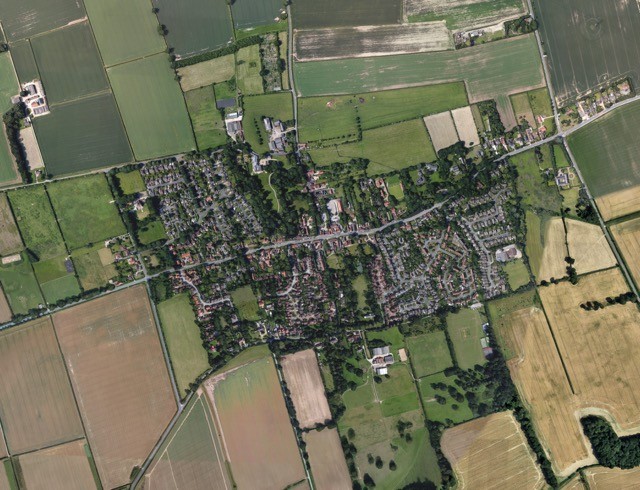
Walkington is a well-established village near Beverley with genuine historic character — a conservation area and linear streets, traditional brick and pantile buildings, and mature trees throughout. It's also a village with a documented housing problem.
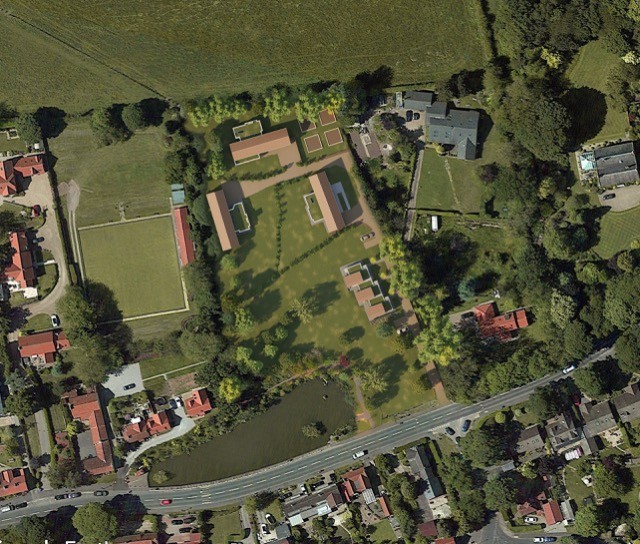
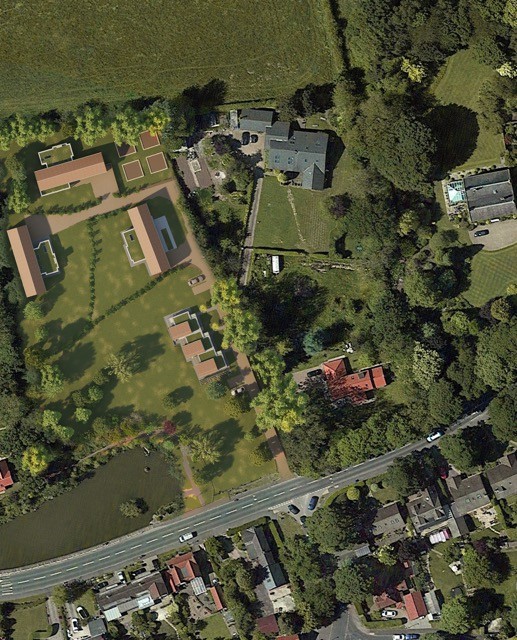
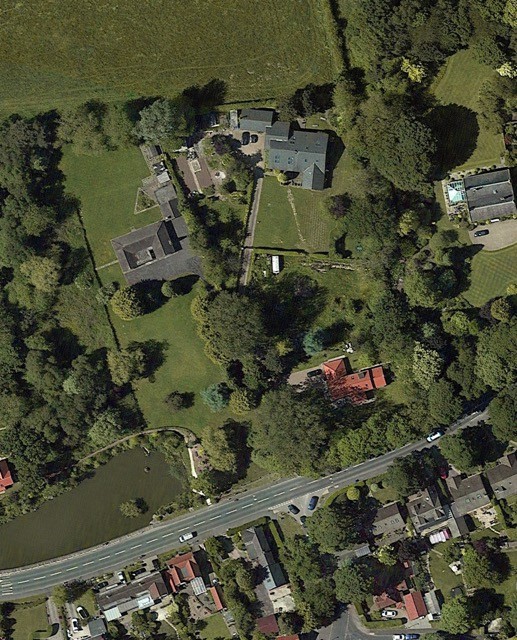
The site — an existing house and large garden plot fronting Walkington's central pond — sat just outside the defined settlement boundary. But is immediately adjacent, already contained residential development, and presented no significant technical constraints. The challenge was sensitivity: any scheme here would need to respect one of the village's most prominent and cherished locations.
The Approach
Stratland brought together Spawforths for planning strategy and Jonathan Smith Architects for design — recognising that a site this sensitive demanded architectural quality, not just a compliant layout.
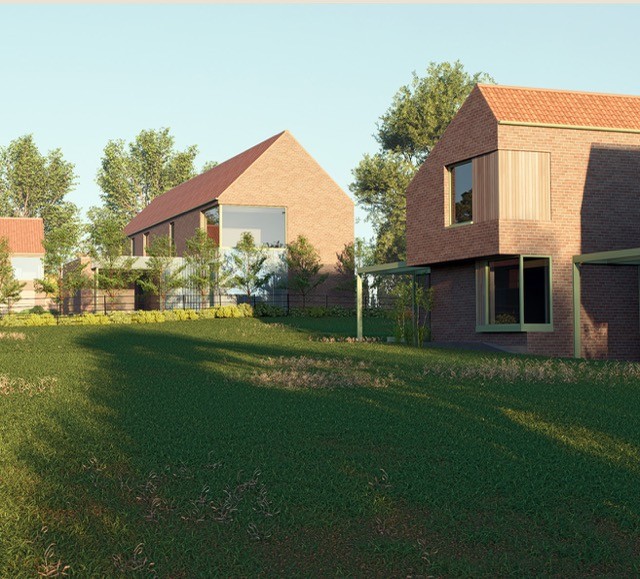
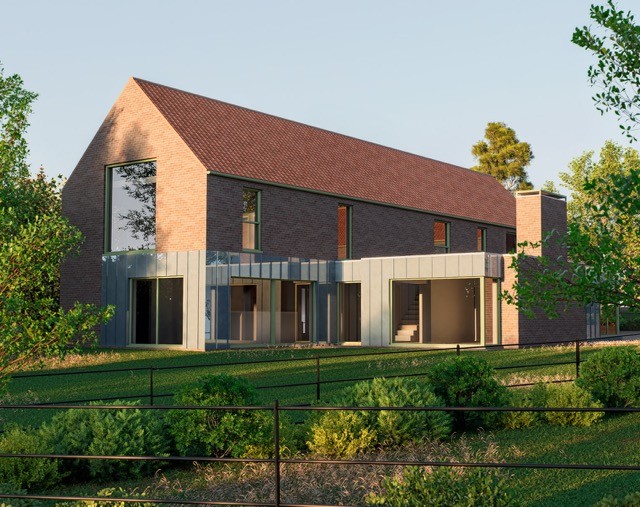
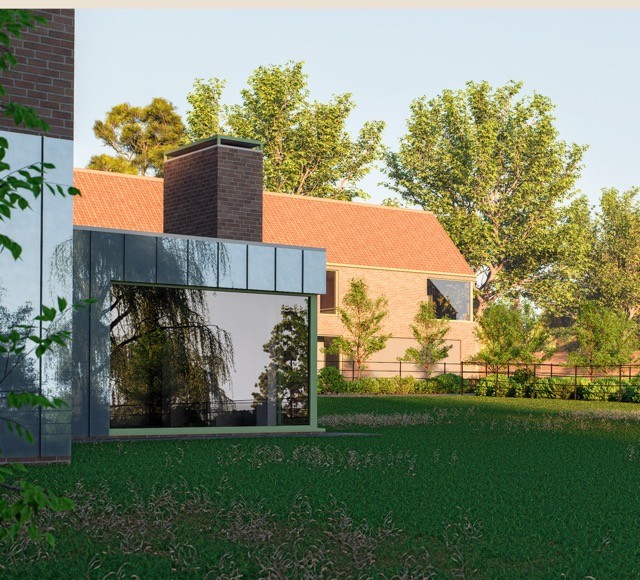
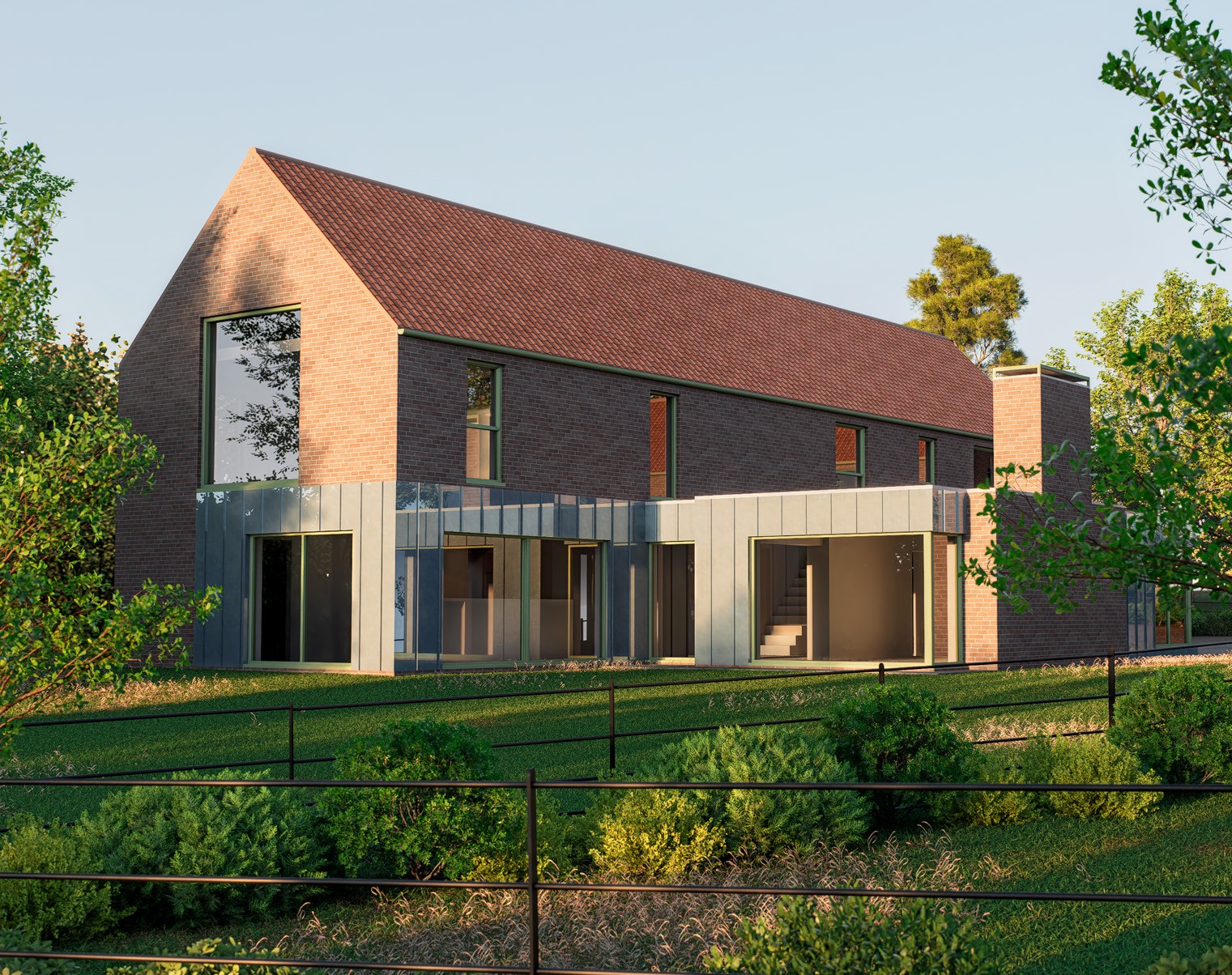
The team developed a vision for a small-scale residential scheme making efficient use of land in line with Policy H4(B) of the East Riding Local Plan. Every design decision was tested against the village's character: stepped ridge lines and varied roof forms to reduce visual impact, vernacular brick and pantile materials to reflect Walkington's identity, and careful separation from the Mere and adjacent properties to maintain key views.
Crucially, the scheme includes four affordable two-bedroom homes designed specifically for residents aged over 55. The site falls below the national threshold for affordable housing contributions — so this provision is entirely voluntary, representing a significant planning gain that directly addresses the village's identified need.
The Outcome
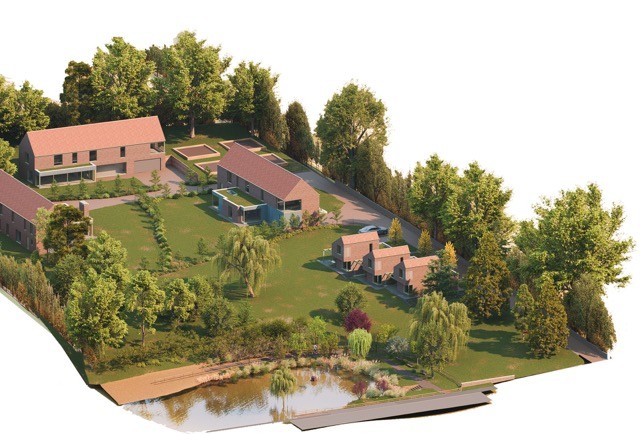
The vision document proposes six dwellings in total: three two-bedroom affordable homes for over-55s, three four-bedroom family homes. The homes combine traditional farmstead forms with contemporary detailing by Jonathan Smith Architects — designs that belong in the village rather than being imposed on it.
The scheme integrates into existing landscaping with additional planting, connects to the established Public Rights of Way network, and sits within Flood Zone 1. Access uses the existing driveway connecting to the main highway, and Tree Preservation Orders to the east are respected and protected.
For a scheme of just six homes, the planning gain is substantial: affordable housing where none is required, exemplar architecture, habitat enhancement, and energy-efficient design — all delivered on a site that maintains the open, rural character Walkington is known for.