Residential
Roberttown, Liversedge
20
Residential
Scheme Summary
200 homes + Care Home
Kirklees Council
Vision
The Situation
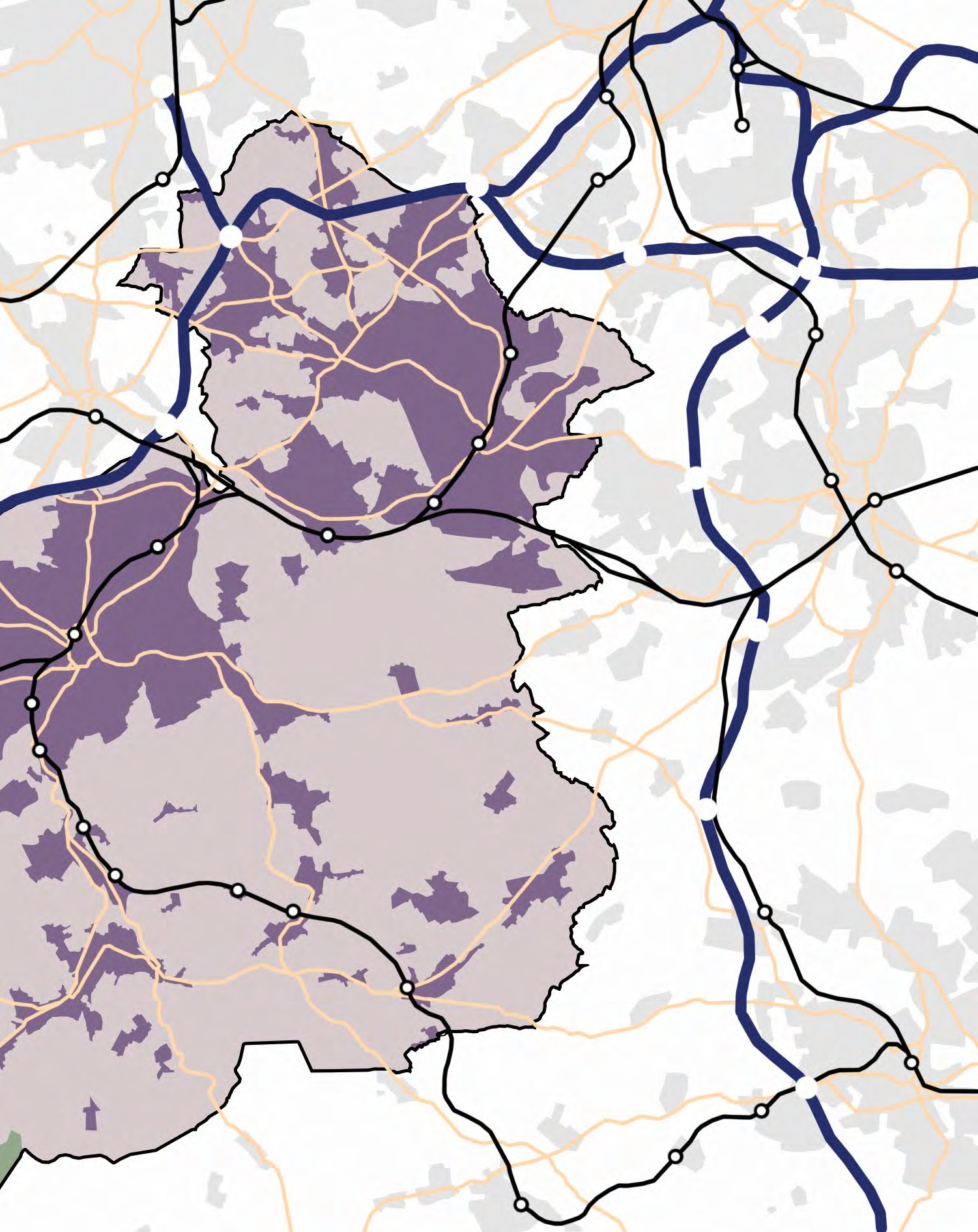
Kirklees has a housing shortfall. The Local Plan targets 1,730 homes per year, but delivery has fallen to just 796 — only 67% of what's needed. The affordable housing gap is even starker: a net annual need for 1,046 units, but only 147 built per year — just 15% of total delivery.
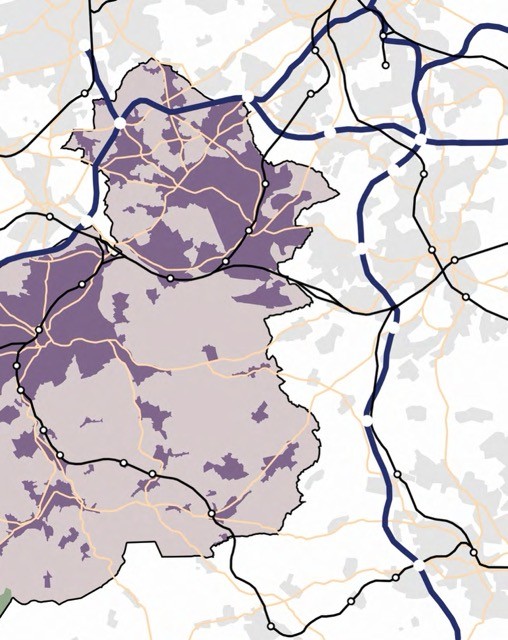
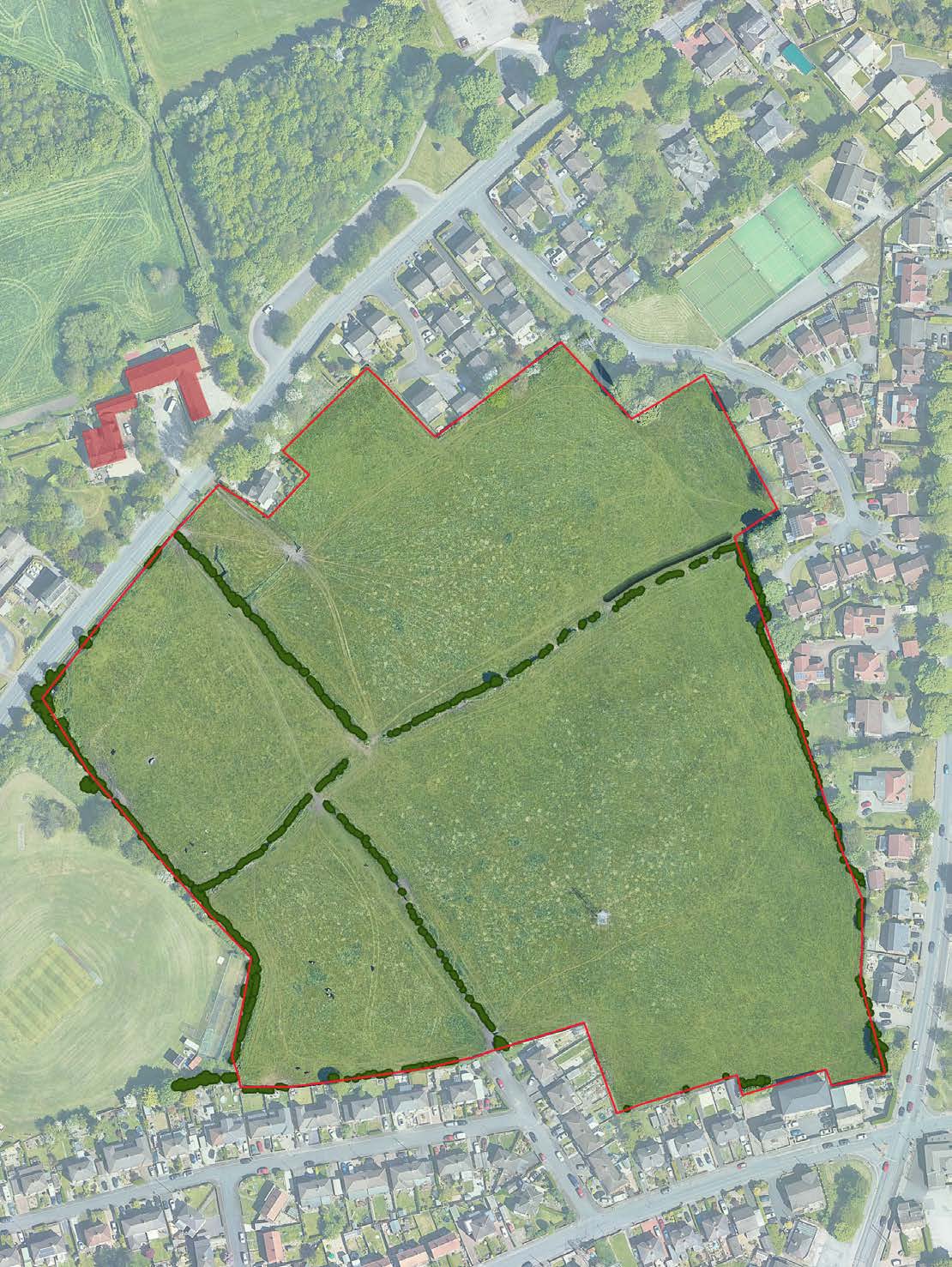
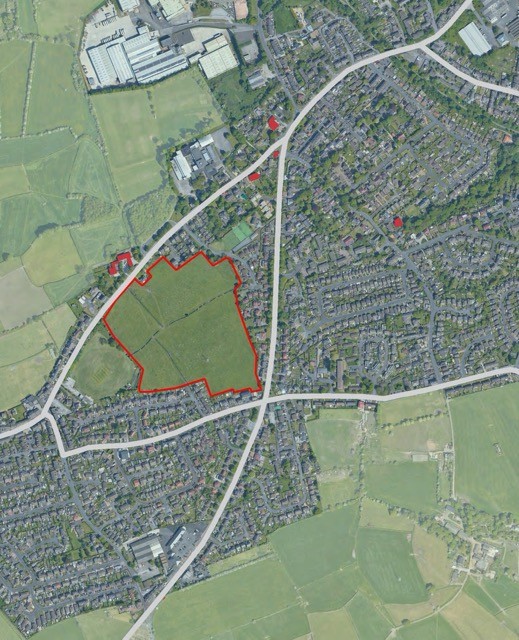
The site at Roberttown — 7.6 hectares of agricultural grazing land between Liversedge and Heckmondwike — sits in the Green Belt. On paper, that's a constraint. In practice, the land is almost entirely surrounded by existing urban development, with Roberttown Lane providing a clear boundary to the north. Its contribution to Green Belt openness is minimal.
The site is walkable to schools, shops, Liversedge Cricket and Tennis Clubs, and bus stops. Dewsbury Railway Station is 5km east with connections to Leeds, Manchester, and beyond. The Spen Valley Greenway cycle route is 700m north. This is land that functions as part of a settlement, not as countryside — and the housing need is acute.
The Approach
Stratland has assembled a comprehensive technical team for the scheme. Spawforths led planning strategy. Hydrock Fore handled transport. Prospect Archaeology assessed heritage. Lithos undertook geoenvironmental investigation. OEC addressed flood risk and drainage. Brooks Ecological carried out the ecological appraisal. TPM Landscape assessed landscape impact. Every discipline confirmed: no constraints that would prevent development.
Spawforths compiled a housing need forecast showing Kirklees requires 1,840 to 2,615 dwellings per annum — substantially above the current Local Plan target. They introduced the concept of Cluster Settlements, arguing that Roberttown, Liversedge, and Heckmondwike should be viewed as an interconnected community sharing facilities and services, not three separate villages.
This reframing was critical. It positioned the site not as an encroachment on countryside but as a logical infill within an existing urban network — and it provided the exceptional circumstances needed to justify Green Belt release.
The Outcome
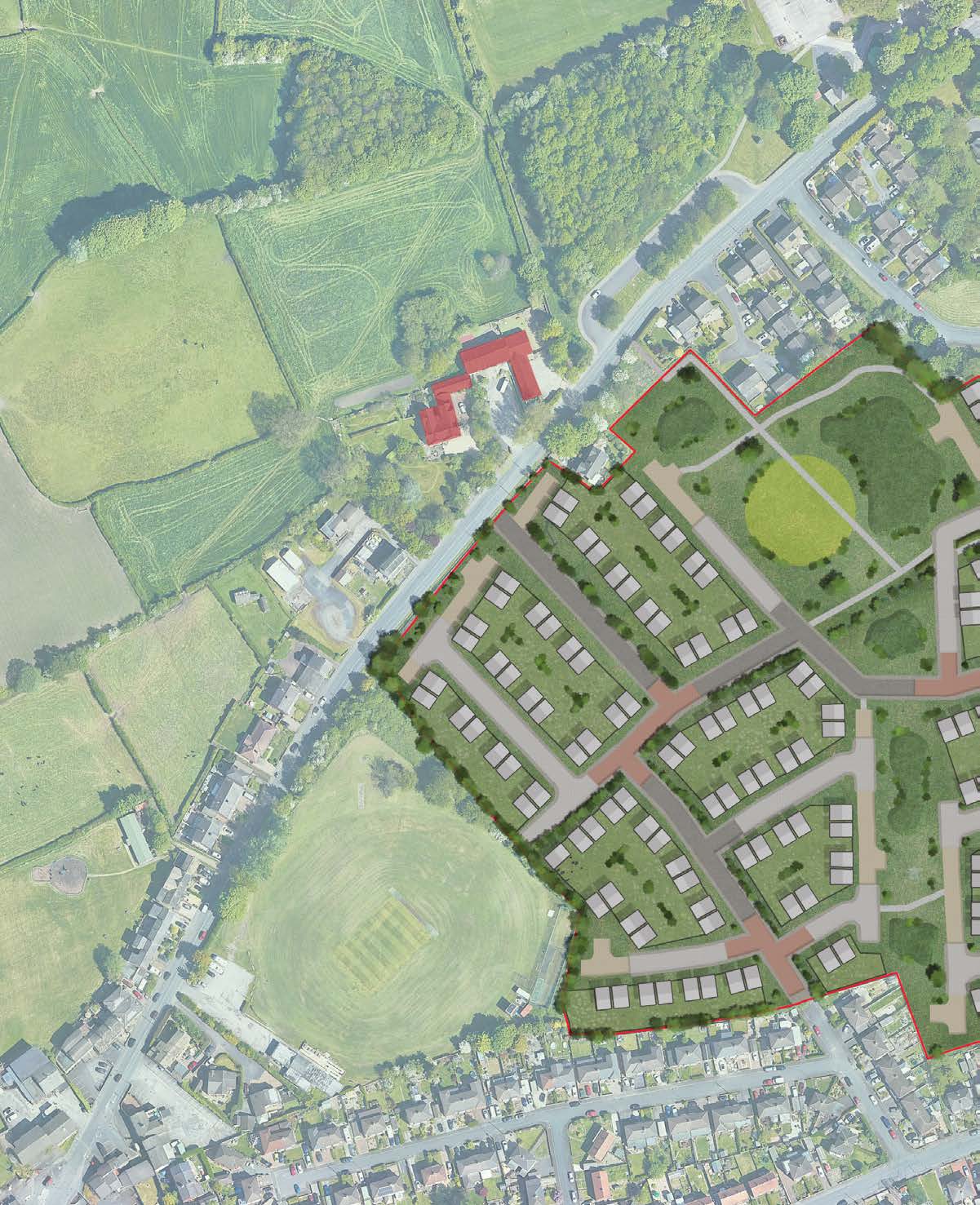
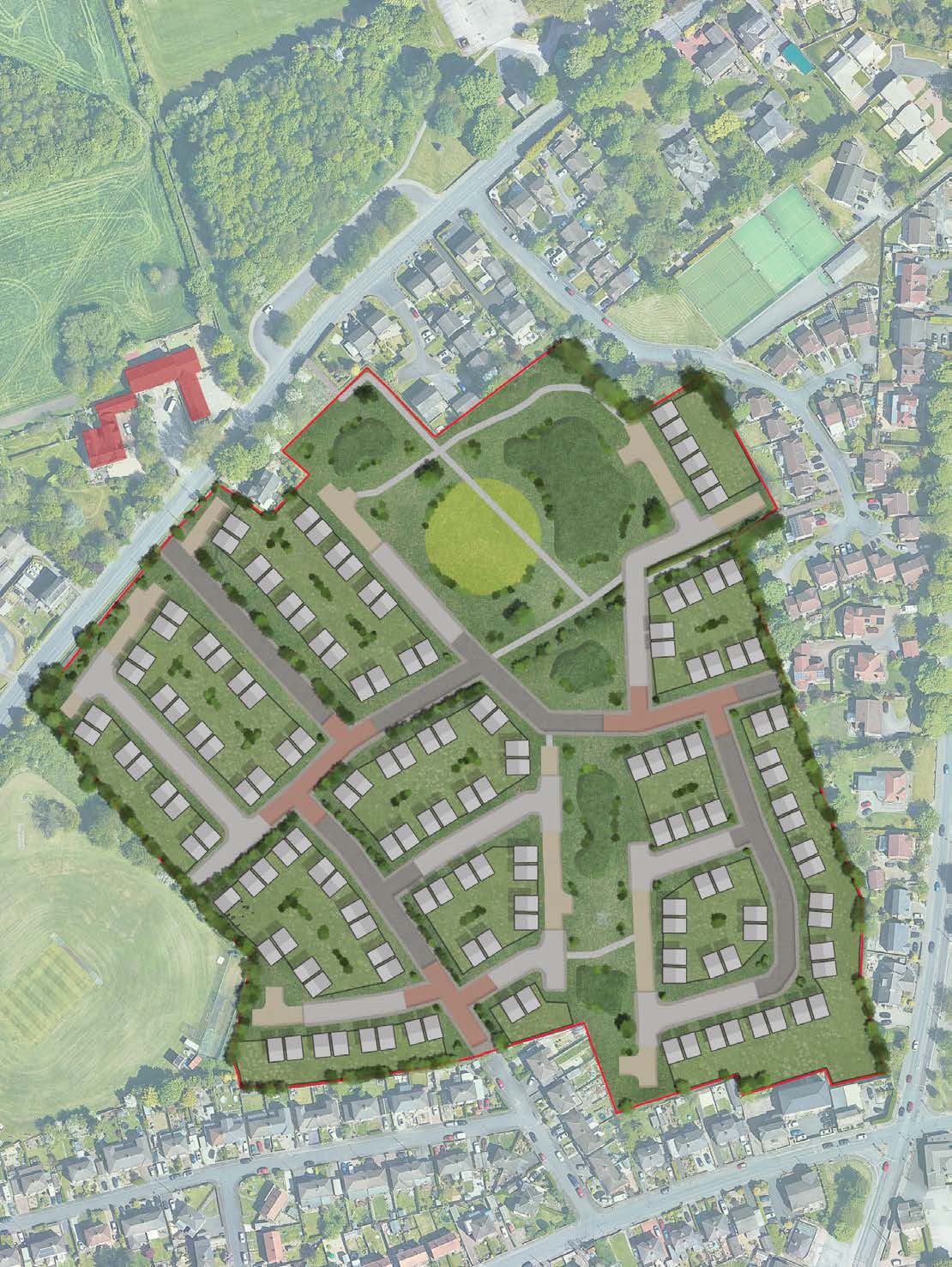
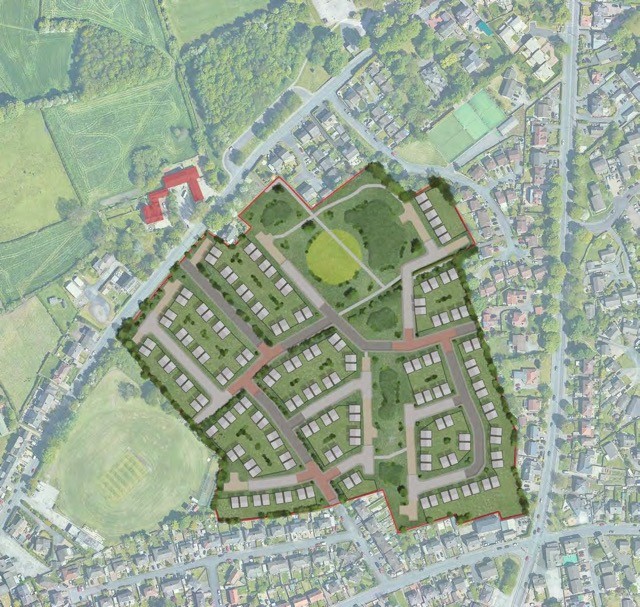
The masterplan delivers 180 to 200 homes across 5.2 hectares, with the remaining 2.4 hectares dedicated to green infrastructure. A green corridor runs through the centre, separating Roberttown and Liversedge and preserving their distinct identities. This corridor provides public open space, a Local Equipped Area for Play, wildflower meadows, and attenuation basins following the natural topography.
Housing is arranged in east-west perimeter blocks to maximise passive solar gain, with shared surface home zones and lower-density gateway development protecting the setting of the Grade II* listed Old Hall Farmhouse.
With early planting of landscape buffers and attenuation features to establish the development's identity from day one. The vision report proposes Roberttown Lane as the new defensible Green Belt boundary — a stronger, more logical edge than the current designation provides.